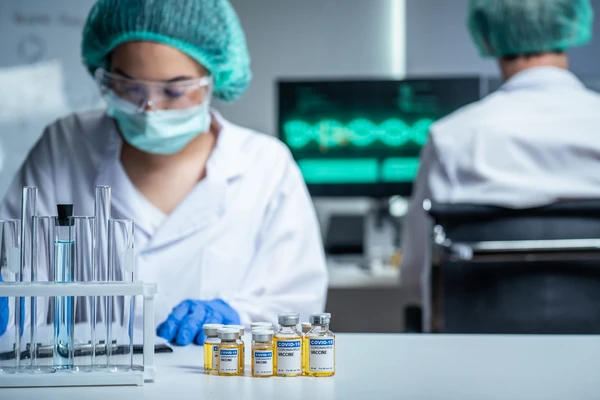
Learn about the main international biosafety regulations that guarantee the safety of your laboratory and discover why choosing a certified biosafety cabinet makes all the difference.


-
Categories


Blog
Here you will find up-to-date and relevant information about the advances in the medical field and the latest innovations in medical equipment.
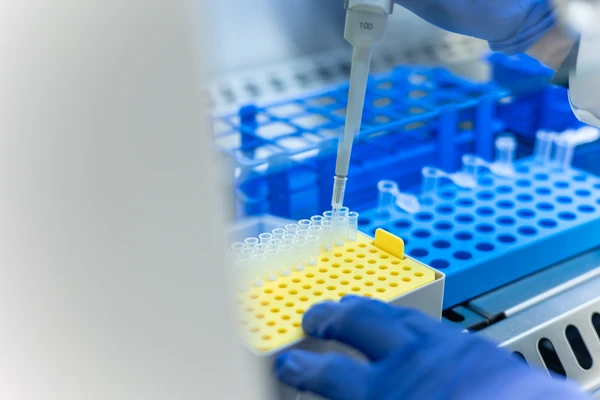
Choosing the right biosafety cabinet is key to ensuring protection, regulatory compliance, and efficiency in the laboratory. In this article, we give you the keys to identifying which model best suits your needs.
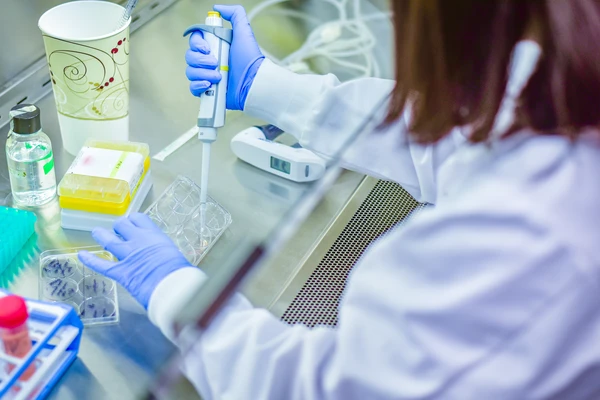
Is it possible to reduce a laboratory's environmental footprint without compromising biosafety? Discover how BIO II STANDARD biosafety cabinets combine safety, sustainability, and energy efficiency in a single unit.
The accurate detection and quantification of the BCR-ABL1 p210 and p190 isoforms is crucial for the diagnosis, monitoring, and treatment of Ph+ leukemias. HoopBio, through dPCR technology, offers innovative solutions that increase sensitivity, accuracy, and traceability in molecular diagnostic laboratories, facilitating disease monitoring and personalized medicine.

With the arrival of autumn and winter, influenza once again becomes a major threat to public health. Unlike the common cold, its rapid spread and the possibility of transmission even without symptoms make it a challenge for hospitals, clinics, and care homes. In this context, having access to rapid and accurate molecular diagnostic systems, such as the uStar devices, is key to differentiating influenza from other respiratory infections, initiating timely treatment, and curbing the spread of the virus in vulnerable settings.
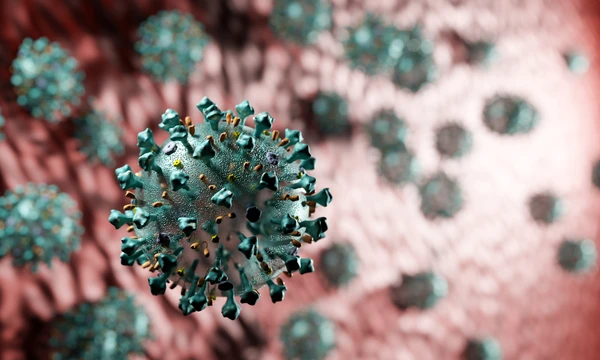
In protein analysis, speed, sensitivity, and reliability of results are essential for advancing research and development. Revvity's HTRF™ (Homogeneous Time-Resolved Fluorescence) technology combines fluorescence resonance energy transfer (FRET) and time-resolved fluorescence measurement to deliver accurate detections without wash steps, reducing costs, time, and errors in complex biomolecular assays.

Studying DNA damage and the cellular response to repair it is fundamental in areas such as molecular biology, cancer research, and new drug development. Revvity's PhenoVue™ DNA Damage Response Staining Kit offers a precise and efficient solution for visualizing key markers such as γ-H2AX and 53BP1 using high-content imaging techniques, facilitating research on genomic stability, drug screening, and genotoxicity assays.
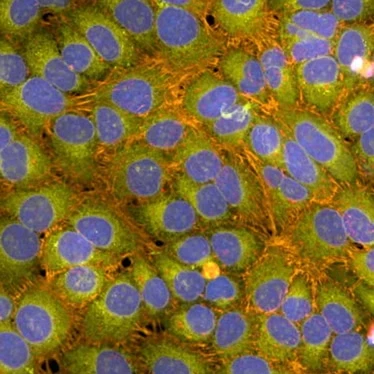
The need for rapid and accurate diagnoses has driven new technologies in molecular biology. One of the most promising is isothermal amplification, a technique capable of detecting DNA or RNA without the need for thermocyclers. In this guide, we explain how it works, how it differs from traditional PCR, and why it is revolutionizing molecular diagnostics.
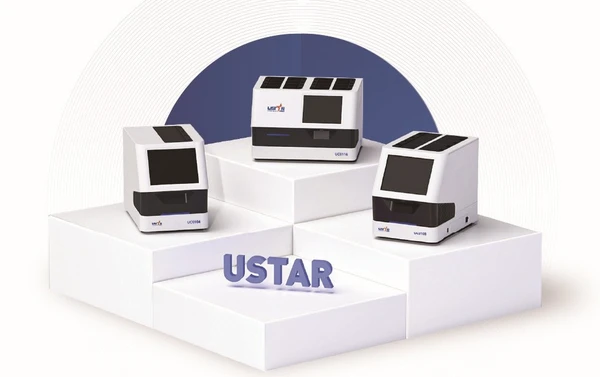
Orbital shakers are essential in many laboratories, but choosing the right model isn't always easy. This guide explains the key factors to consider: shaker type, capacity, speed, orbit diameter, and technology. This will help you make the best decision for your needs.
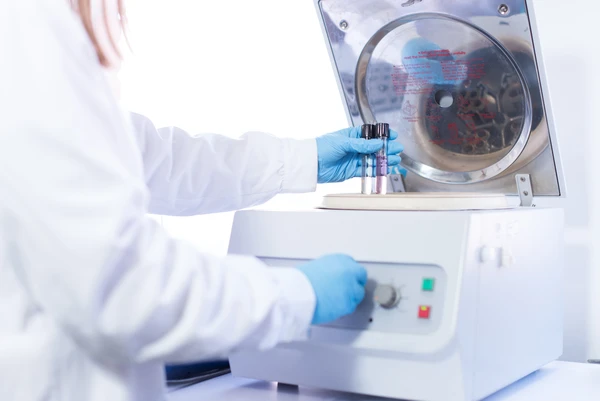
PCR is a fundamental technique in most molecular biology labs. However, when it comes to choosing a polymerase, many researchers still opt for the classic Taq polymerase, without considering whether a high-fidelity polymerase might offer better results. Often, this is due to preconceived notions that aren't always true. In this article, we debunk the most common myths about high-fidelity polymerases and help you decide when it's worth investing in them.