PFAS (per- and polyfluoroalkyl substances) are a family of more than 3,000 synthetic compounds that have been used since the 1940s in sectors as diverse as the textile, food, automotive, and chemical industries. Among the best known are PFOA, PFOS, and GenX.


-
Categories


Blog
Here you will find up-to-date and relevant information about the advances in the medical field and the latest innovations in medical equipment.

It's no surprise to many that the number of dogs in families has increased by 38%, according to Icart. This phenomenon reflects a reality: our pets are not only life companions, but they also require specific care to maintain their health in optimal condition.
As Jeff Hamilton, Managing Director of Nestlé Purina Petcare in Europe, points out, "After a global pandemic, the number of pet owners and animal lovers worldwide is greater than ever, and the sector is responding by accelerating its innovation, offering greener, smarter, and better solutions than ever before."
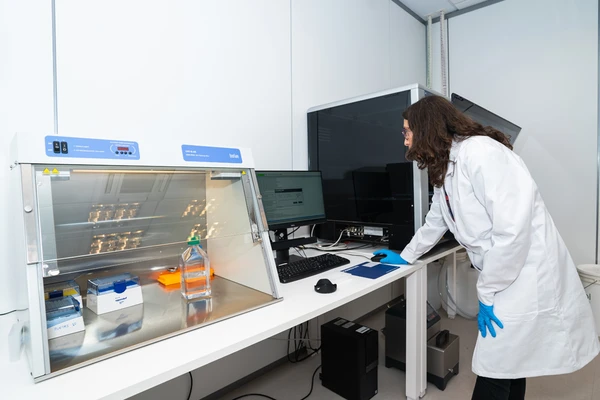
Gastrointestinal infections require rapid responses, and Ustar Biotechnologies' MultNAT® Gastrointestinal Panel transforms that challenge into a fast and accurate solution. In just 75 minutes, it can identify 23 pathogens from a single stool sample, combining speed and accuracy thanks to its multiplex RT-PCR technology, reducing unnecessary antibiotic use, and improving laboratory efficiency.

Cell viability is an essential parameter in pharmacological research and cell biology. Revvity's ATPlite™ assays offer a luminescent, sensitive, and reproducible way to quantify ATP, the most direct indicator of metabolic activity and cellular health. With formats adapted for 2D cultures, 3D models, and automated flows, ATPlite™ simplifies protocols, reduces steps, and ensures stable signals, enabling precise and efficient assessment of cytotoxicity, proliferation, and cellular response in any laboratory.
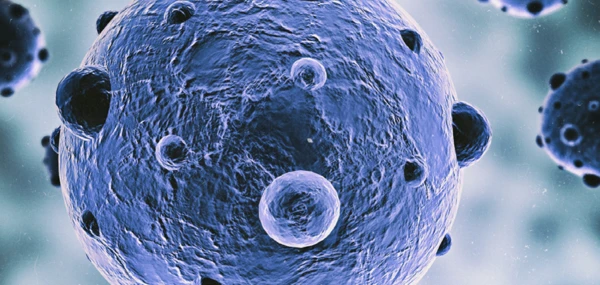
Next-generation sequencing (NGS) has revolutionized science, but the quality of the results depends on one essential step: library preparation. Revvity's NEXTFLEX™ kits combine flexibility, precision, and efficiency to transform DNA or RNA into sequencing-ready libraries, even from minimal sample amounts. From gene expression studies to metagenomic analyses, their optimized reagents ensure reproducible, high-quality data in any NGS workflow.

Magnetic beads have quietly transformed molecular biology. Behind many advances in research and diagnostics lies their ability to purify DNA and RNA quickly, cleanly, and automatically. Today, technologies like Revvity's chemagic™, distributed in Spain by Proquinorte, represent the most advanced evolution of this principle: optimized chemistry that combines greater purity, speed, and reliability in nucleic acid purification.

For decades, ELISA has been the standard for quantifying proteins, antibodies, and antigens. However, modern biology—especially the field of biotherapeutics and recombinant proteins—demands more sensitive, reproducible methods that are compatible with high-volume analysis.
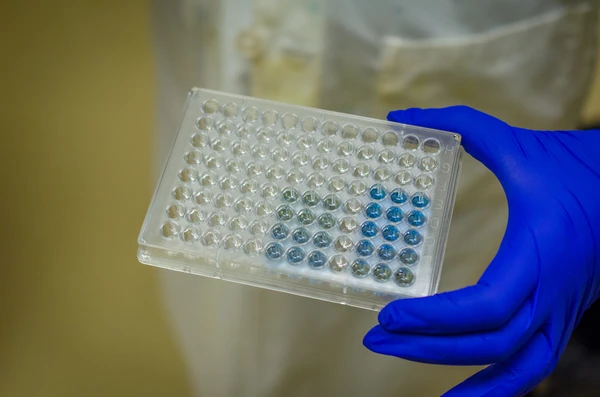
Each season, outbreaks of respiratory infections pose a considerable challenge to healthcare systems. The similarity of symptoms between diseases such as influenza, COVID-19, and respiratory syncytial virus (RSV) makes it difficult to accurately identify the causative agent, especially in the early days of infection.
In this context, rapid and reliable diagnosis becomes an essential tool for making appropriate clinical decisions, reducing transmission, and optimizing hospital resources.

During the winter season, respiratory infections increase, and distinguishing between influenza, COVID-19, and RSV becomes a clinical challenge. Although the symptoms are similar, each virus requires a different diagnostic approach. In this article, we explain the main differences between these pathogens, the importance of molecular diagnostics, and how multiplex kits allow for the detection of several respiratory viruses in a single test, ensuring rapid and reliable results for more precise care.
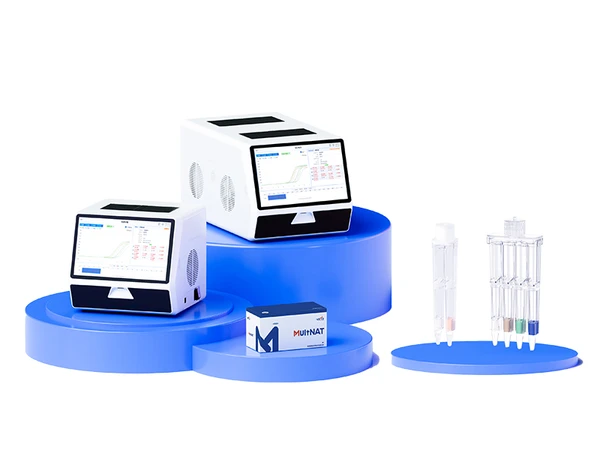
Each year, influenza viruses undergo small mutations that complicate their detection and control. Therefore, laboratories need updated diagnostic kits that guarantee reliable results against the latest influenza strains. In this article, we explain why influenza is constantly changing, how the viruses adapt, and what advancements new detection kits incorporate to maintain their accuracy throughout flu season.