Categories

Sustainable Science: How Biobased Plastic is Transforming the Laboratory

In the last decade, sustainability has gone from being an option to becoming a necessity within research environments. Laboratories generate a considerable amount of plastic waste, but Eppendorf is leading the charge towards a greener future with its new line of BioBased consumables.


What does it really mean for plastic to be "biobased"?

Unlike conventional plastics derived from petroleum, biobased products are manufactured from renewable and reused resources . In the case of Eppendorf, 100% bio-based polypropylene is used . This means that the raw material comes from vegetable sources, helping to close the carbon cycle and reducing dependence on fossil fuels without compromising the technical quality that the laboratory requires.

54% reduction: Less plastic, more efficiency

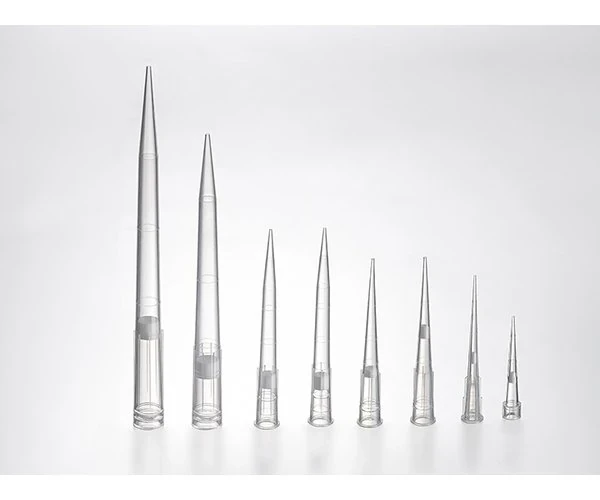
One of the biggest successes in this range is the redesign of its supply systems. For example, epT.IPS® BioBased pipette tips in soil are sustainable due to their material, as well as their shape:

  • The refill system allows you to use 54% less plastic compared to traditional methods.
  • They are available in volumes up to 1,250 µL and in different qualities such as Dualfilter and SealMax® .

A real impact on the carbon wall

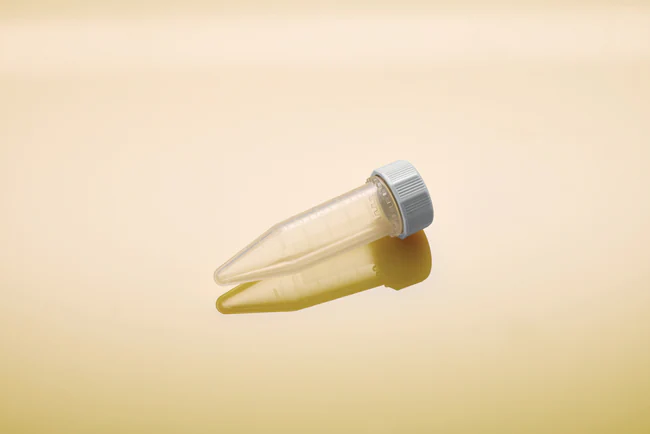
The use of consumables such as Eppendorf Tubes® BioBased and Deepwell BioBased Plates allows institutions to significantly reduce their carbon footprint. By choosing products manufactured with clean energy and renewable materials, the laboratory contributes directly to global sustainable development objectives, maintaining the maximum quality and purity (pyrogen-free, DNasas and RNasas) necessary for accurate results. biobased Proquinorte tubes
Enjoy our exclusive promotion!

It's time to update your laboratory with conscious technology. Get a 20% discount on the entire BioBased range and other selected products .

Promotion code: PH1_EP26 .

Valid until: June 30, 2026 .

Artículos recomendados

See all
Ciencia Sostenible: Cómo el Plástico Biobased está Transformando el Laboratorio
En la última década, la sostenibilidad ha dejado de ser una opción para convertirse en una necesidad dentro de los entornos de investigación. Los laboratorios generan una cantidad considerable de residuos plásticos, pero Eppendorf está liderando el cambio hacia un futuro más verde con su nueva línea de consumibles BioBased.
IVD centrifuges with sustainable cooling: diagnostic accuracy without compromising the environment
Today's clinical laboratories face a dual challenge: ensuring maximum reliability in in vitro diagnostics while simultaneously reducing their environmental impact. OHAUS Frontier IVD centrifuges combine precision, safety, and sustainability thanks to their innovative R290 refrigeration system, offering reliable, efficient, and environmentally friendly equipment. Discover how this new generation of centrifuges can transform your laboratory, complying with European regulations and raising the bar for quality in clinical diagnostics.
Problems with the detector? Sometimes the problem isn't in the sample.
This article addresses the most common HPLC detector failures and how to identify their source. It distinguishes between electronic problems, which should be resolved with the manufacturer, and mechanical or optical failures, which typically focus on the flow cell. Warning signs such as bubbles, contamination, or high pressure are also detailed, and critical maintenance aspects are mentioned, such as lamp status or parameter settings such as gain and response time. The text provides practical advice for diagnosing and preventing errors that directly affect the quality of chromatographic analysis.